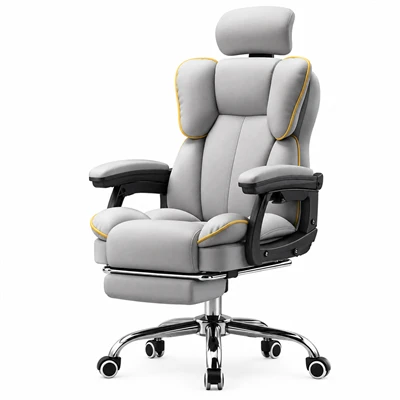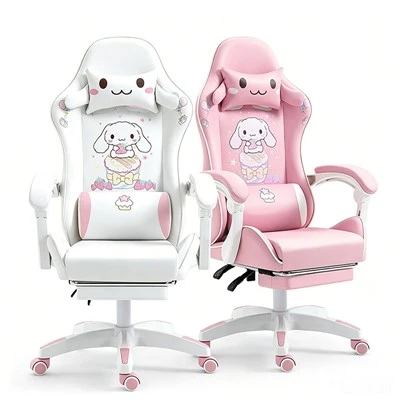

Currently, there is no unified national standard specifically dedicated to "gaming chairs" in China; manufacturers and testing bodies typically refer to standards for office chairs and other seating furniture during production and quality assessment. For gaming chairs intended for gaming, office work, and study, the standard QB/T 2280-2016 (*Office Furniture – Office Chairs*) serves as a useful reference. This standard covers product requirements, test methods, inspection rules, packaging, and transportation, while also mandating specific criteria for structural integrity and safety. Consequently, even though gaming chairs differ from standard office chairs in appearance and functionality, they must still adhere to relevant furniture standards regarding fundamental components such as the frame, chassis, armrests, and casters.
In actual use, gaming chairs undergo frequent height adjustments, reclining, and movement; therefore, structural strength and stability are critical quality indicators. Components such as the base, gas lift, chair legs, and connectors must support the user's weight and withstand additional forces generated when sitting down, standing up, or shifting position. If the quality of these components is substandard, issues such as loosening, wobbling, or mechanism failure may arise over time. Reputable manufacturers typically conduct strength and durability tests on parts including the seat, backrest, armrests, casters, and base. When purchasing a gaming chair, consumers should check the product packaging or manual for information regarding applicable standards, test results, and manufacturer details, rather than judging quality solely based on appearance, price, or advertised features.
As the usage of gaming chairs expands, industry requirements for product quality are rising. While consumers previously prioritized appearance and specifications, they now increasingly focus on long-term seating comfort, stability, and durability. In the future, gaming chairs will likely face stricter requirements regarding ergonomics, eco-friendly materials, functional durability, and safety design, in addition to existing office furniture standards. Manufacturers must implement rigorous quality control across the entire process-from raw materials, structural design, and assembly to final product testing-while consumers should select products that meet relevant standards and feature reliable construction based on their actual needs. This approach ensures that gaming chairs deliver not only appealing aesthetics and functionality but also safety and durability for daily use.