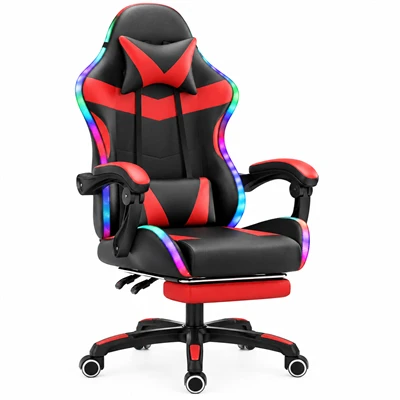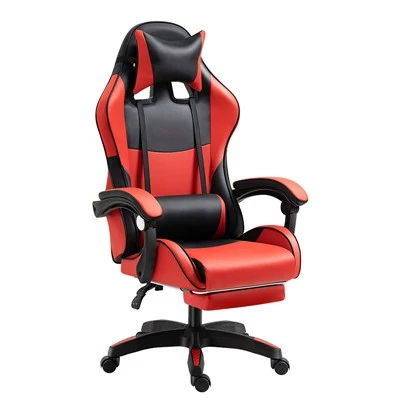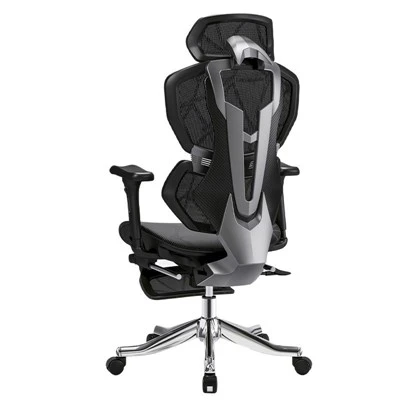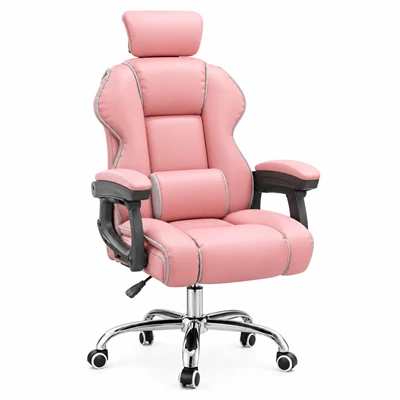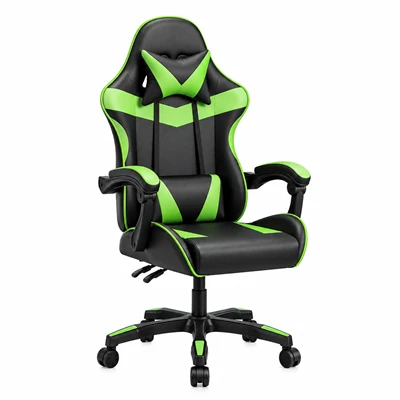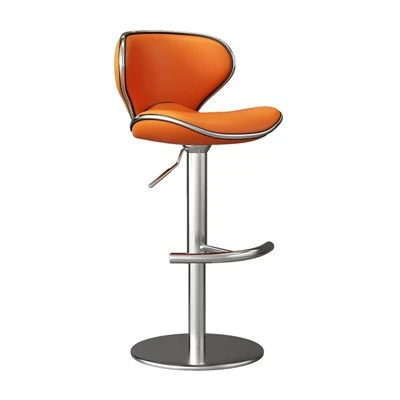

Office chairs are primarily composed of a backrest, seat, armrests, frame, and a base support structure, with each component serving a specific function. The backrest supports the user's back; common designs include fixed and adjustable types, where the height and recline angle directly influence sitting posture and comfort. The seat is the part in most direct contact with the user's body; typically consisting of a seat pan, foam or other filling materials, and an outer fabric, it must provide adequate support and resilience. Armrests support the arms and elbows, helping to alleviate strain on the shoulders and arms. Some chairs feature adjustable armrests that can be repositioned based on the user's height and the desk's height. A proper balance between the backrest, seat, and armrests is essential for maintaining a natural sitting posture during work.
The base assembly typically includes the mechanism (chassis), gas lift cylinder, and chair legs, which collectively handle support and adjustment functions. The mechanism is mounted beneath the seat, connecting the seat to the gas lift cylinder while enabling functions such as height adjustment, backrest reclining, and locking. The gas lift cylinder is primarily used to adjust the chair's height; by operating the control lever, users can position the seat according to their height and that of their desk. Connected below the gas lift is the leg assembly-commonly a five-star base-which distributes body weight across multiple points to enhance stability. Casters are usually attached to the ends of the legs, allowing the chair to move freely across the floor. Different casters suit different flooring environments; for instance, hard floors and carpets impose distinct requirements regarding caster material and structure.
Depending on the product's positioning, office chairs may also include features such as lumbar support, headrests, seat depth adjustment, multi-directional armrest adjustment, and backrest tension control. Lumbar support helps relieve pressure on the lower back during prolonged sitting, with some models allowing adjustments to the support position and intensity based on the user's physique; headrests provide neck support during breaks or when reclining. Some high-end chairs utilize mesh, elastic materials, or specialized structures instead of traditional thick foam to offer superior breathability and support. Although office chairs vary significantly in terms of appearance, materials, and functionality, their basic structures generally center on seat support, back support, height adjustment, and mobility. Through the coordination of these various components, they meet the needs of daily office work, studying, and tasks requiring prolonged sitting.