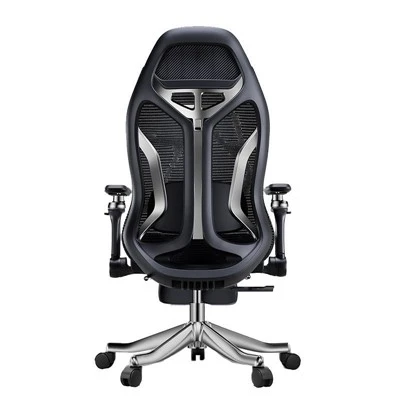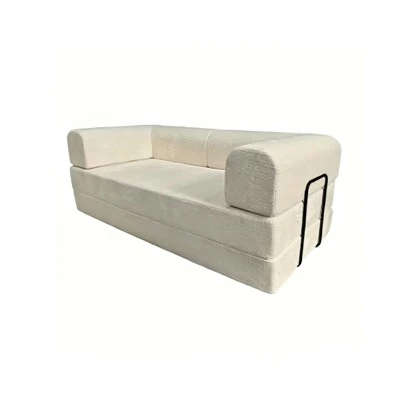

Early sofas and seats primarily focused on providing postural support; their structures were relatively fixed, and their functions were limited. As expectations for resting comfort rose, some furniture designs began experimenting with adjustable backrest angles to accommodate various sitting postures. Early adjustable seats largely relied on mechanical structures-such as levers and hinges-to alter angles, allowing users to recline the backrest as desired. Although these products were functionally simple, they embodied the fundamental concept of modern functional sofas: adapting the furniture's structure to suit the human body's diverse resting positions. With advancements in furniture manufacturing technology-including improvements to seat frames, springs, and cushioning materials-the stability and comfort of adjustable furniture were further enhanced.
Functional sofas gradually evolved into a more fully realized product category. Developments in machining technology enabled standardized production of internal connectors, metal frames, and adjustment mechanisms, allowing functional sofas to transition from niche custom-made items to mass-produced goods. During this period, manual adjustment mechanisms were refined; backrests and footrests could be controlled via levers or handles, and some products adopted complex linkage systems that allowed the footrest to deploy automatically as the backrest reclined. Simultaneously, the use of materials like foam and springs improved the seating comfort. Compared to earlier, simple adjustable seats, the functional sofas of this era offered significant improvements in comfort, stability, and aesthetics, gradually finding their way into living rooms and leisure spaces.
With the advancement of motor and smart control technologies, functional sofas entered an era of electrification and multifunctionality. Electric functional sofas typically feature internal motors, drive mechanisms, and control systems, allowing users to adjust components like backrests and footrests at the touch of a button, eliminating the need for manual mechanical operation. Some models offer independent multi-zone adjustment-such as separate controls for the headrest, backrest, and leg rest-to accommodate various postures. Building on this foundation, functional sofas began incorporating features like USB and wireless charging, storage compartments, cup holders, massage functions, and heating, transforming them from simple adjustable seats into comprehensive leisure furniture. In recent years, driven by the rise of the smart home concept, some functional sofas have begun integrating with smart control systems, enabling operation via remote controls, control panels, or other smart devices. The future development of functional sofas will continue to center on comfort, smart technology, modularity, and personalization; while meeting basic seating and reclining needs, greater emphasis will be placed on user experience and the overall functional requirements of the home living space.