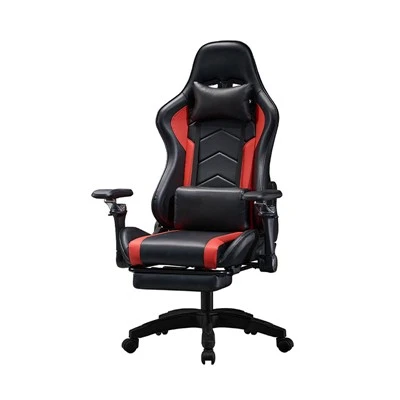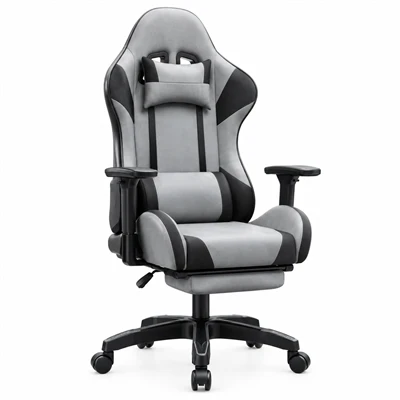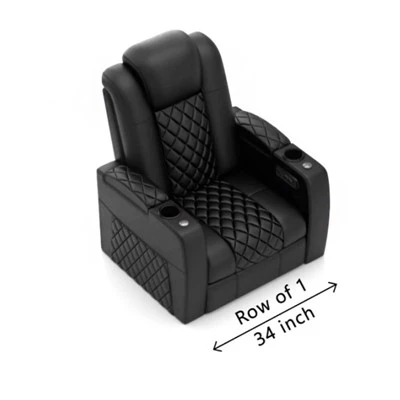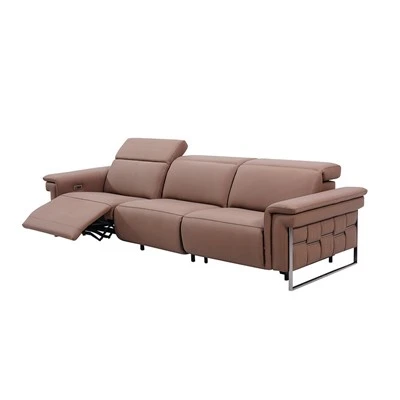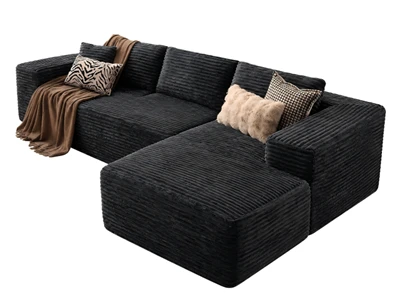

The production of a functional sofa typically begins with the construction of the frame, which serves as the foundational structure and must support both the user's weight and the forces generated during the operation of the functional mechanisms. Production involves cutting, processing, and assembling wood, metal tubing, or other structural materials according to design blueprints, creating a stable frame through methods such as screwing, connecting, gluing, or welding. Compared to standard stationary sofas, functional sofas feature more complex internal structures, requiring pre-planned space for the installation of motors, transmission mechanisms, functional brackets, and wiring. Once the frame is complete, dimensions and connection points are inspected to ensure precise component alignment. For electric functional sofas, specific metal frameworks and movable structures are installed based on the intended features, providing the necessary support for the subsequent movement of components like backrests and footrests. Since the frame's strength and dimensional accuracy directly impact the sofa's long-term stability, this stage demands high precision in both machining and assembly.
After the basic frame is completed, the functional mechanisms and internal support components are installed. These mechanisms-such as backrest adjustment systems, extendable footrests, and electric lift structures-distinguish functional sofas from standard ones. Electric models require the installation of motors, transmission components, controllers, and wiring; production staff must secure these parts in their designated locations according to design specifications and verify that the mechanisms operate smoothly together. Following installation, the sofa undergoes repeated testing-extending, retracting, and adjusting angles-to ensure there is no noticeable sticking, abnormal noise, or misalignment during operation. Simultaneously, support and cushioning materials-such as springs, webbing, and foam-are installed within the seat and backrest, with firmness adjusted according to the product's specific positioning. The thickness and density of the filling materials must remain relatively uniform to avoid compromising the final seating comfort and appearance. For products featuring extras like massage functions, heating, or USB charging, the relevant components and wiring are also installed at this stage, ensuring proper cable securing and insulation.
Once the internal structure and functional mechanisms are in place, the process moves to upholstery, fabric processing, and final assembly. Production staff cut leather, fabric, or other materials to fit specific sofa sections, then apply techniques such as sewing, wrapping, and fastening to attach the upholstery to the seat, backrest, armrests, and other areas. During the upholstery process, the tension of the fabric must be carefully controlled to ensure a smooth surface while allowing for proper expansion and contraction during the movement of the sofa's functional mechanisms, thereby preventing cracking or deformation caused by excessive stretching. Following the upholstery stage, components such as armrests, foot pads, decorative elements, and other accessories are installed, and the sofa undergoes final adjustments. Quality inspections for the finished product typically cover appearance, structural stability, functional operation, and electrical safety; key checks focus on the smooth operation of the backrest and footrest, proper motor function, the security of all connections, and the absence of visible defects in the fabric or stitching. Only after completing the full production, assembly, and inspection processes is the functional sofa ready for packaging and shipment.