
Common materials for dining chairs include solid wood, metal, plastic, and upholstered options like leather and fabric; these materials differ significantly in appearance, comfort, durability, and price. Solid wood is a traditional choice, with common varieties including oak, beech, and rubberwood. Solid wood chairs typically feature natural grain and a warm texture, offering a sturdy structure that complements dining rooms styled in natural wood, Nordic, Japanese, or modern minimalist aesthetics. Metal is primarily used for chair frames and legs-commonly steel or aluminum alloy-offering a sleek structure and high load-bearing capacity. Through finishes like powder coating or baked enamel, metal chairs can achieve various colors and surface effects, making them ideal for modern or industrial-style spaces. While metal chairs are generally easier to maintain than solid wood ones, the quality of the surface coating is crucial to prevent issues like rust caused by prolonged exposure to moisture.
Plastic is another common material for modern dining chairs, particularly suitable for settings that prioritize portability, ease of cleaning, and a wide range of colors. Often manufactured via injection molding, plastic chairs allow for diverse seat and backrest shapes, offering great design flexibility. They are lightweight and easy to move, and their surfaces are simple to wipe clean, making them popular choices for home dining areas, cafes, and public leisure spaces. However, plastic materials vary in strength, heat resistance, and aging resistance, so it is important to consider the specific material and structural design when making a selection. Beyond all-plastic designs, many chairs now combine plastic seats with metal legs; this hybrid approach reduces weight while maintaining stability and creating a cleaner, more streamlined look.
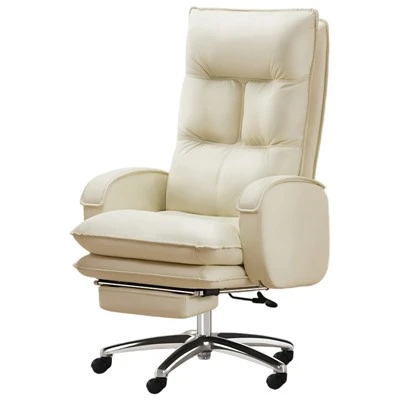
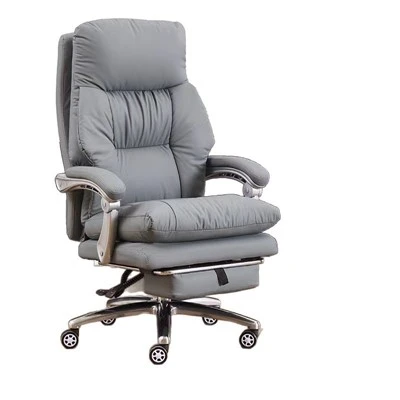
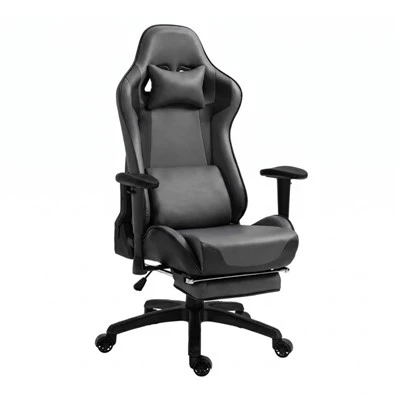
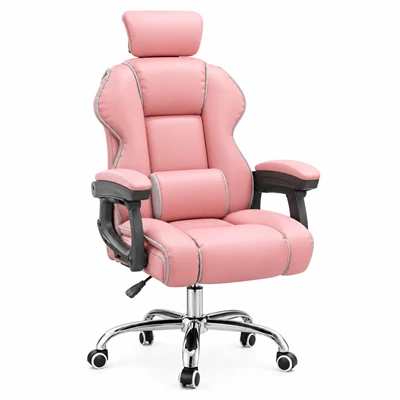
Leather and fabric are common upholstery materials used for dining chair seats and backrests. Leather chairs offer a premium visual appeal and a smooth surface that is easy to clean, making them well-suited for modern, "affordable luxury," and commercial dining environments. Fabric chairs offer a wider variety of colors and textures and provide a softer tactile feel, creating a warmer atmosphere in the dining room, though they require more effort regarding cleaning and stain prevention. In addition, some dining chairs utilize composite materials-such as PU leather and technical fabrics-to strike a balance between aesthetics, price, and ease of maintenance. In reality, modern dining chairs rarely rely on a single material; many products combine wood, metal, plastic, and upholstery-such as a wooden frame paired with a fabric cushion, or metal legs matched with a leather seat. Combining different materials allows for a balance of stability, comfort, visual appeal, and durability; therefore, consumers should select the material that best suits their specific environment, budget, and maintenance preferences.