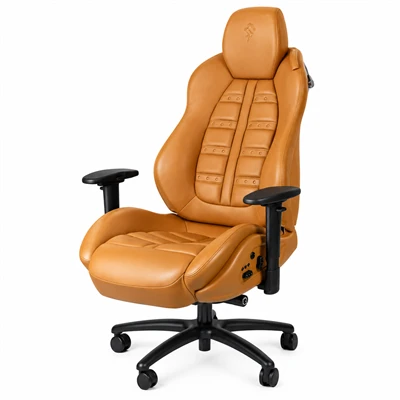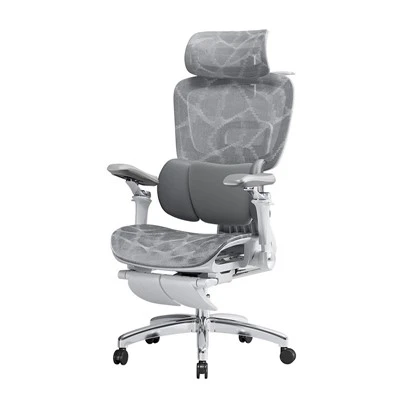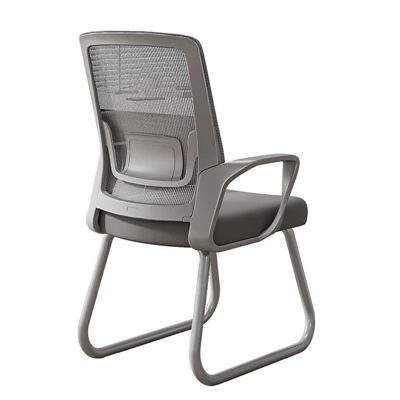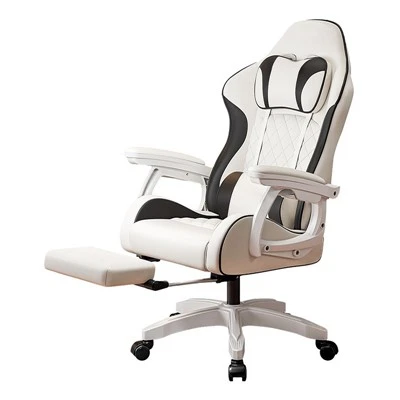

Performance testing for office chairs begins with an inspection of the overall structure and appearance to ensure that, once assembled, all components are securely connected and free from significant looseness, deformation, or damage. Inspectors typically focus on key components-such as the seat, backrest, armrests, chassis, five-star base, and casters-to verify the reliability of their connections. The seat surface must remain flat, the backrest should not wobble noticeably during normal use, and the armrests must withstand the pressures of daily operation. If the chair features height adjustment, reclining, or other adjustable functions, these must be tested for proper operation, ensuring there is no sticking or abnormal noise during adjustment. Regarding appearance, the upholstery, stitching, plastic parts, and metal components are inspected to ensure there are no obvious scratches, cracks, loose threads, or coating failures that could compromise usability or aesthetics.
Durability testing for office chairs primarily simulates the repetitive stress encountered during long-term use. Since office chairs are often used for hours each day-subjecting the seat, backrest, armrests, chassis, and casters to constant pressure-a single static load test is insufficient to fully reflect the product's actual lifespan. Testing protocols involve repeatedly loading the seat, subjecting the backrest to forward-and-backward durability tests, and cycling the armrests, casters, and swivel mechanisms, all in accordance with relevant standards and product specifications. After a set number of cycles, the chair is inspected for structural looseness, component breakage, functional failure, or significant deformation. The pneumatic lift system also undergoes repeated lifting and lowering tests to confirm it maintains proper height adjustment and locking capabilities over time. For manufacturers, such durability testing allows for the early detection of issues regarding structural design and component quality, thereby reducing the likelihood of product failures after market release.
Safety performance is a critical aspect of office chair testing, with particular attention paid to load-bearing structures and pneumatic lift components. Testing verifies that the chair remains stable within its specified weight capacity and does not easily tip over during normal sitting or reasonable reclining. The five-star base and casters must provide adequate support to ensure stability and prevent issues arising from uneven weight distribution. For office chairs equipped with gas lift cylinders, it is crucial to verify the proper functioning of the height adjustment mechanism and ensure secure connections between the gas cylinder, the seat mechanism, and the five-star base. If the chair features electric adjustment, massage functions, or other electrical components, additional electrical safety testing is required. Following these tests, a comprehensive assessment based on corporate quality standards and applicable regulations must be conducted; the product may proceed to packaging and sales only after confirming that its dimensions, structure, functionality, and safety performance meet all requirements. These tests help ensure the stability, durability, and safety of the office chair during actual use.