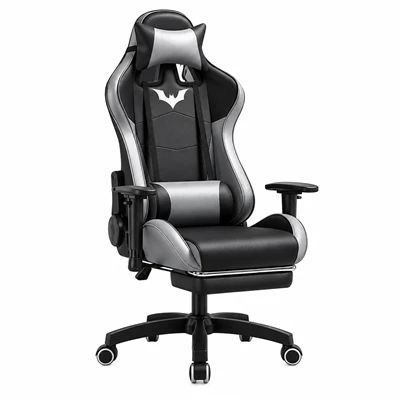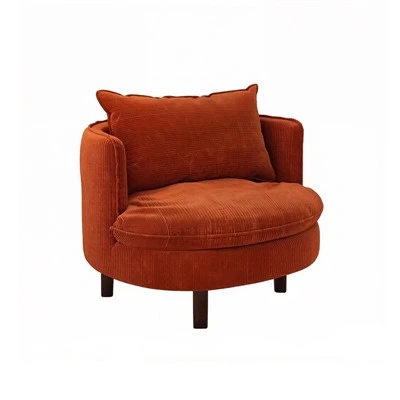

The basic configuration of a functional sofa primarily consists of the frame, seat, backrest, armrests, and internal padding structure. The frame is typically constructed from wood, metal, or a combination of both, serving to support the entire sofa and bear the user's weight. The interiors of the seat and backrest usually incorporate materials such as high-resilience foam, springs, and webbing to provide a balance of support and softness. Since filling materials of varying densities and firmness levels result in different seating experiences, the choice of materials during product design depends on the sofa's market positioning and intended use. Exterior upholstery options include genuine leather, PU leather, technical fabric, and standard textiles; these materials differ in terms of tactile feel, durability, ease of cleaning, and visual appeal. For functional sofas, the basic structure must not only ensure comfort but also provide sufficient internal space for the functional mechanisms, ensuring the smooth operation of movable parts like the backrest and footrest.
Electric systems and functional mechanisms are key components of functional sofas. Standard electric models are equipped with motors, metal functional frames, controllers, power adapters, and control buttons; the motor drives the internal mechanism to adjust the angles of the backrest and footrest. Depending on the product's capabilities, configurations may utilize single, dual, or multiple motors. A single-motor setup typically controls both the backrest and footrest simultaneously and features a relatively simple structure, whereas a dual-motor setup allows for independent adjustment of the backrest and footrest, enabling users to select the most comfortable posture for their needs. Some products also feature wireless remote controls or side-mounted control panels for added convenience. Beyond the electric system, some functional sofas incorporate safety features such as mechanical limiters and overload protection; these automatically stop movement when parts reach their maximum or minimum positions, thereby minimizing the risk of abnormal stress on the mechanism and motor. For frequently used electric functional sofas, critical performance indicators include the smoothness of motor operation, noise levels, and the fluidity of mechanism adjustments.
As functional sofa products continue to evolve, an increasing number of additional features are being integrated into their designs. Common additions include USB charging ports, wireless charging, storage pockets, cup holders, adjustable headrests, and adjustable lumbar support, all aimed at enhancing daily convenience. High-end models may also include features such as massage functions, heating, and seat memory settings, further elevating the sofa's role in leisure and entertainment. For settings such as home theaters and media rooms, some products utilize a modular design that allows multiple seats to form a comprehensive functional sofa system. It is worth noting, however, that a more extensive feature set does not necessarily mean the product is the best fit for every user, because the motors...