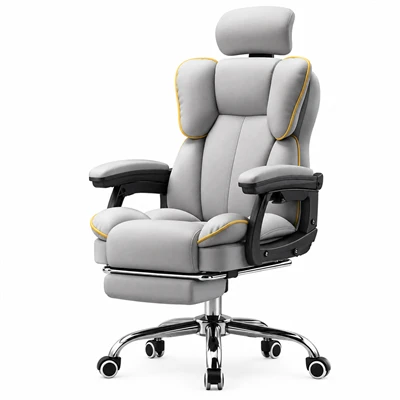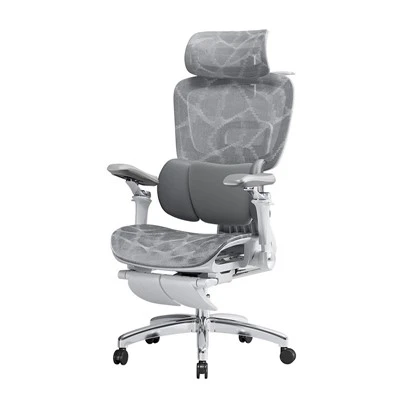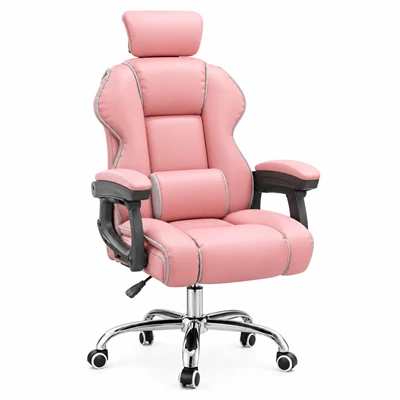

One of the core technologies behind reclining sofas is the design of their internal functional mechanisms. Unlike standard stationary sofas, reclining sofas rely on mechanical structures to adjust components such as the backrest and footrest; consequently, they incorporate internal elements like metal frames, connectors, pivot points, and transmission systems. Take the common reclining function as an example: once the user activates the controls, the mechanism follows a pre-set trajectory to tilt the backrest backward while simultaneously extending the footrest from beneath the seat. Throughout this process, the components must work in perfect harmony to ensure smooth movement while avoiding sticking, unusual noises, or wobbling. Structural integrity is equally critical, as the mechanism must withstand both the user's body weight and the forces generated during operation. Therefore, design considerations must encompass material strength, connection methods, load-bearing points, and component longevity, utilizing sound structural engineering to enhance product stability and durability.
Motors and control systems are vital technological components of modern electric reclining sofas. These sofas typically utilize motors for power, employing transmission mechanisms to convert rotational motion into the linear or angular movement of the backrest or footrest. Depending on the sofa's functionality, configurations may range from single-motor to dual-motor or even multi-motor setups, allowing independent control of the backrest, leg rest, and other adjustable parts. The control system manages user inputs and motor operation, utilizing interfaces such as integrated buttons or remote controls. To enhance the user experience, some models incorporate features like position memory, overload protection, and limit control. For instance, the system can automatically halt the motor when the backrest or footrest reaches its designated position, preventing damage from over-extension, or employ protective mechanisms to reduce strain on the motor and transmission components when encountering abnormal resistance. Key quality indicators for electric reclining sofas also include motor noise levels, operating speed, load-bearing capacity, and service life.
Reclining sofas must also address issues regarding structural safety, comfort, and the coordination of various components. The frame requires sufficient load-bearing capacity without becoming excessively bulky due to the addition of motors and metal mechanisms. Materials such as springs, webbing, and foam are typically used within the seat, backrest, and armrests to provide support and cushioning; the design must ensure softness while preventing the moving mechanism from excessively compressing the upholstered elements. When designing functional sofas, it is essential to allocate adequate clearance to prevent the footrest from pinching nearby objects or people during deployment. Power cords and control cables must be properly secured and protected to avoid wear or tension caused by repeated adjustments over time. Products featuring additional functions-such as massage, heating, or USB charging-require the integration of corresponding control systems and safety mechanisms. Ultimately, the key technology behind functional sofas does not rely on any single component; rather, it stems from the seamless coordination of various elements, including the mechanical structure, motor control, frame integrity, upholstery design, and safety features. Only through the harmonious operation of these systems can the sofa deliver a superior user experience while maintaining stability.