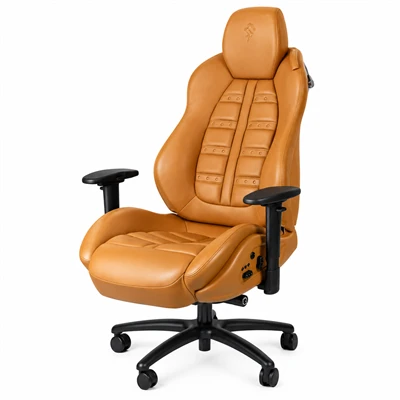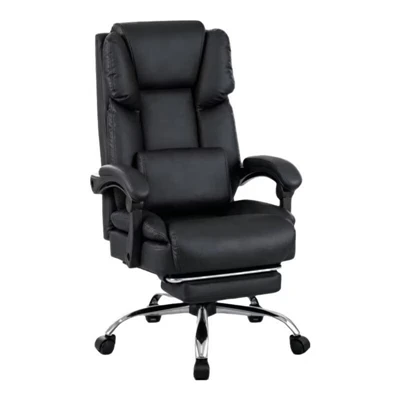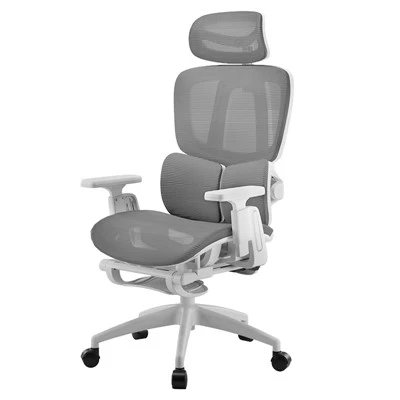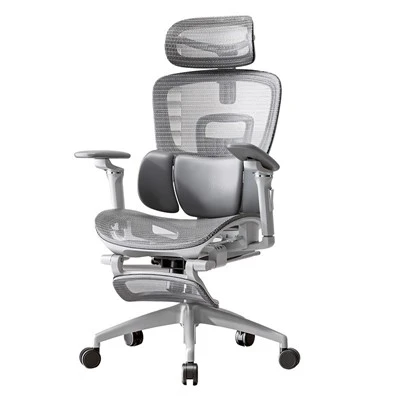

As living standards rise and residential environments improve, there remains significant room for growth in the market for dining chairs. In the past, consumers prioritized price and basic functionality, seeking chairs that simply met daily dining needs. Today, however, as expectations for quality home living increase, factors such as comfort, aesthetics, materials, and durability have become crucial considerations. Dining chairs are no longer merely accessories to the dining table; they are integral elements of the overall home décor. Diverse interior design styles-ranging from modern minimalist and Nordic to natural wood, "light luxury," and industrial-demand specific shapes and materials, driving further product segmentation. Simultaneously, the continuous renovation of commercial spaces like restaurants, cafés, hotels, and guesthouses generates steady demand for dining chairs, ensuring substantial growth potential across both residential and commercial markets.
Future dining chair designs will increasingly emphasize comfort, functionality, and personalization. As ergonomic principles become standard in furniture design, features such as seat height, backrest angle, cushion firmness, and structural support will be optimized to ensure a comfortable experience during prolonged use. Material combinations will also become more diverse-pairing elements like solid wood with metal, or plastic with upholstery-to reduce weight while maintaining structural integrity and creating varied visual styles. Some chairs may incorporate detachable cushions, adjustable components, and convenient storage designs to suit the needs of different living spaces. Lightweight, space-saving, and portable chairs will appeal to residents of smaller homes, whereas commercial venues like restaurants and hotels will prioritize durability, ease of cleaning, and cost-efficiency for bulk purchasing.
Environmental sustainability and personalization are also poised to become key trends in the future of dining chairs. With growing consumer awareness regarding eco-friendly materials and green manufacturing, furniture companies must pay closer attention to material sourcing, production processes, and end-of-life disposal. Utilizing eco-friendly boards, water-based coatings, and recyclable materials can minimize environmental impact during production while meeting consumer demand for healthy living environments. Furthermore, the growth of online furniture retail has exposed consumers to a wider array of dining chair styles and designs, shifting market competition from a sole focus on price to a multifaceted contest involving design, quality, service, and branding. Future dining chair production is likely to emphasize modularity and personalization, allowing consumers to make selections based on factors such as spatial constraints, color, materials, and functionality. Overall, while dining chairs are a traditional furniture product, their forms and market demand will continue to evolve alongside changing lifestyles, consumer attitudes, and manufacturing technologies, indicating significant growth potential.