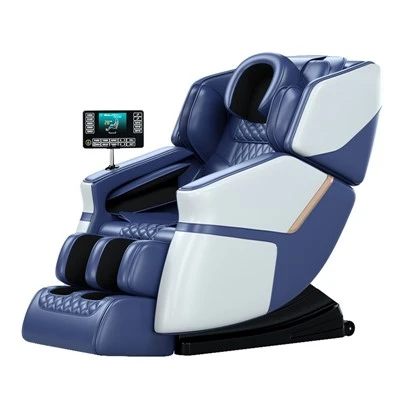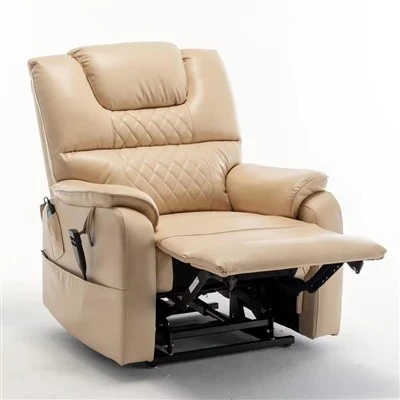

The primary advantage of functional sofas lies in their versatility, allowing the sofa's configuration to change according to specific needs. Unlike traditional static sofas, functional sofas typically employ mechanical structures, electric mechanisms, or manual controls to adjust the position of the backrest and footrest, enabling users to switch between sitting, semi-reclining, and fully reclining positions. For those who enjoy watching TV, using a smartphone, reading, or resting in the living room, these sofas allow for posture adjustments based on the moment's needs, eliminating the need to remain in a fixed seated position. Some electric models feature push-button angle controls for convenient operation, making them particularly suitable for shared family use. By combining sitting, reclining, and lying-down functions into a single piece of furniture, they also reduce the need to purchase additional lounge chairs or recliners.
Comfort is another distinct advantage of functional sofas. Their design often prioritizes ergonomics and body support; by adjusting the backrest angle, footrest position, and seat cushion structure, they provide optimal support for the body. Prolonged sitting-whether watching TV, using a computer, or resting-can easily lead to fatigue if the lower back, upper back, and legs lack proper support; functional sofas mitigate this by adapting to various body postures. Many models utilize high-resilience foam, spring systems, or other supportive filling materials to maintain a balance between softness and structural integrity, preventing excessive sagging. Furthermore, high-end models may include features such as adjustable headrests, lumbar support, massage functions, or heating elements, enhancing both comfort and the sofa's suitability for relaxation. However, as different functional configurations directly impact price and maintenance costs, the final choice should be based on individual needs.
Functional sofas also offer excellent spatial adaptability and versatility across various settings. Modern living rooms often serve multiple purposes-such as resting, entertainment, and hosting guests-requiring furniture that meets basic needs while maximizing space efficiency. By offering features like convertible seating and leg support without requiring multiple pieces of furniture, they are ideal for home living rooms, media rooms, and leisure areas. In smaller homes, a multi-functional sofa can save space by reducing the need for other leisure furniture. In commercial settings-such as cinemas, hotels, and VIP lounges-functional sofas can also enhance the user experience through their adjustable features. Overall, the advantages of functional sofas lie primarily in their versatility, high level of comfort, and adaptability to various settings; they have evolved from simple living room seating into multifunctional furniture that integrates resting, entertainment, and relaxation.