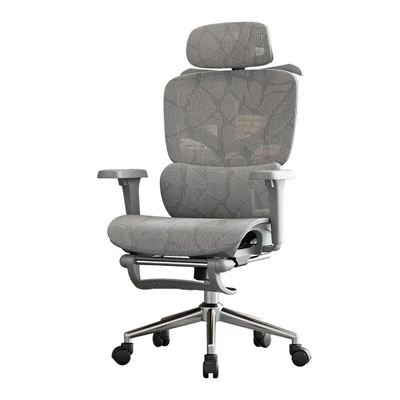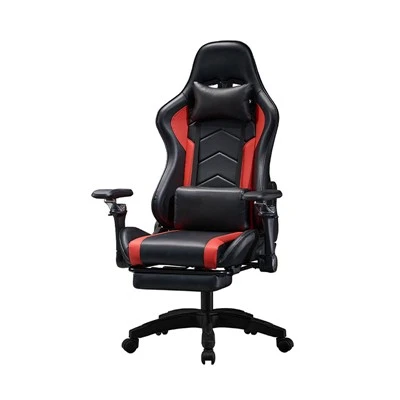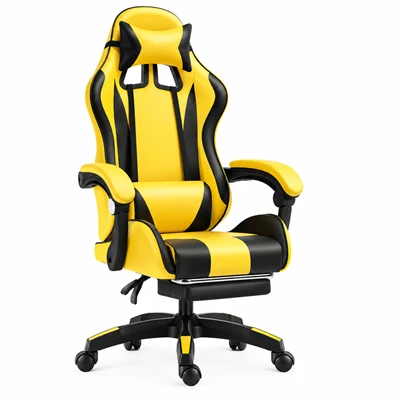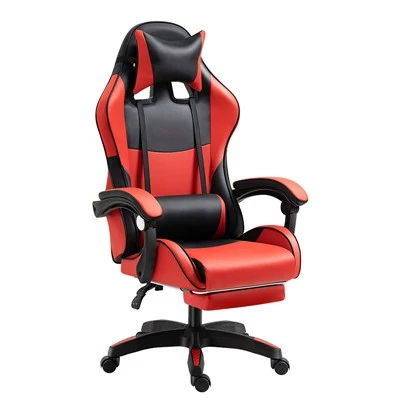

A dining chair is not merely a combination of a seat and legs; factors such as seat height, width, depth, and backrest angle directly influence the user's sitting experience. Design considerations must account for the distribution of forces on the legs, buttocks, waist, and back in a natural sitting posture, ensuring feet rest naturally on the floor, knees maintain a comfortable angle, and the body receives adequate support. A seat that is too high causes legs to dangle, while one that is too low may force excessive knee flexion; a seat that is too deep makes it difficult for smaller individuals to reach the backrest, whereas one that is too shallow may lack sufficient support. Consequently, the dimensions of a dining chair must strike a reasonable balance between comfort and practical usage requirements. For upholstered chairs, the compression of filling materials under weight must also be considered to prevent significant discrepancies between the design height and the actual height during use.
The structural design of a dining chair primarily focuses on stability, load-bearing capacity, and durability. Users do not remain perfectly still while seated; actions such as sitting down, standing up, shifting position, and leaning against the backrest generate forces in various directions, requiring the chair frame to possess robust overall strength. The connections between the legs, seat, and backrest are critical; a well-engineered connection ensures even force distribution, preventing excessive stress on any single component. Traditional wooden chairs may utilize joinery (such as mortise and tenon), screws, or adhesives, whereas modern metal chairs often rely on welding, bolts, or other fastening systems. The number, placement, and angle of the legs also affect stability; designs must avoid a high center of gravity or an insufficient support base. Furthermore, dining chairs must undergo load-bearing and stability testing to ensure they do not wobble, loosen, or suffer structural failure under normal use. For high-traffic environments like commercial restaurants, material durability and the long-term stability of connections require additional consideration.
The appearance and material selection of a dining chair must also align with the intended environment. As dining chairs serve both a functional purpose and act as integral elements of the dining space, their design should harmonize with the dining table and the overall interior décor in terms of color, form, and materials. For instance, solid wood dining chairs evoke a sense of natural warmth; metal structures suit modern or industrial styles; and upholstered chairs enhance comfort through a variety of colors and fabrics. Material selection requires balancing factors such as strength, weight, wear resistance, ease of cleaning, and production costs. Since dining areas are prone to grease and food spills, chair surfaces should be easy to clean, while for home use, greater emphasis can be placed on comfort and aesthetics. Modern dining chair design increasingly prioritizes the fusion of function and beauty; by combining minimalist structures, appropriate material pairings, and forms tailored to the space-while ensuring stability, comfort, and durability-these chairs not only meet the demands of daily use but also blend seamlessly into diverse interior settings.