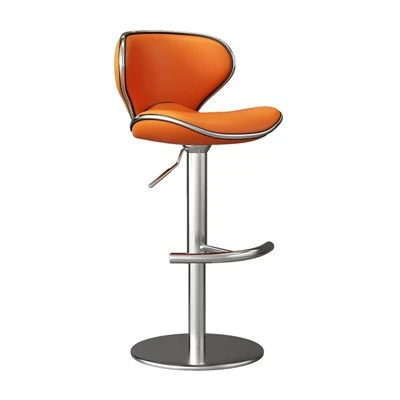

The evolution of dining chairs is closely linked to changes in lifestyles and furniture manufacturing technologies. As living standards improved, dining chairs evolved from purely functional items into pieces that also serve a decorative purpose. In traditional households, dining chairs were typically crafted and used in conjunction with dining tables; their designs were generally understated, prioritizing sturdiness and durability. Regional furniture cultures gave rise to distinctive chair styles, showcasing local craftsmanship through elements such as wood carving, mortise-and-tenon joinery, and unique backrest shapes. While dining chairs of this era lacked the complex features of modern products, they began to incorporate considerations regarding seat height, backrest design, and overall proportions, laying the groundwork for future designs.
Production methods for dining chairs underwent significant changes. Mechanical processing gradually replaced much of the traditional manual craftsmanship, enabling mass production and reducing manufacturing costs for certain products. Beyond traditional wood, new materials like metal and plastic were introduced into production, leading to a wider variety of chair shapes. In particular, advancements in metal tubing and plastic molding technologies allowed for lighter structures and a broader range of colors and aesthetics. With the growing popularity of modern home design concepts, minimalist and contemporary styles emerged, and designers began to place greater emphasis on ergonomics and user comfort. Features such as upholstery, backrests, and armrests were incorporated to enhance comfort during prolonged use without compromising basic functionality.
The evolution of dining chairs increasingly emphasizes the integration of design, functionality, and usage context. As consumer demand for furniture becomes more personalized, dining chairs are no longer merely accessories to the dining table but have become integral elements of interior design. A diverse array of materials-including solid wood, metal, plastic, leather, fabric, and various composites-is now widely used, often in combination with one another. In terms of design, there is market demand for styles ranging from minimalist and Scandinavian to modern and industrial; furthermore, products often feature detachable components, ergonomic designs, and lightweight construction to improve the user experience. Meanwhile, the rise of e-commerce has transformed sales methods, allowing consumers to view product dimensions, materials, colors, and user reviews online before making a selection based on their specific home environment. The future development of dining chairs will continue to focus on comfort, durability, eco-friendly materials, and personalized design; while meeting basic functional needs, there will be an increased emphasis on integrating them with modern living spaces and lifestyles.