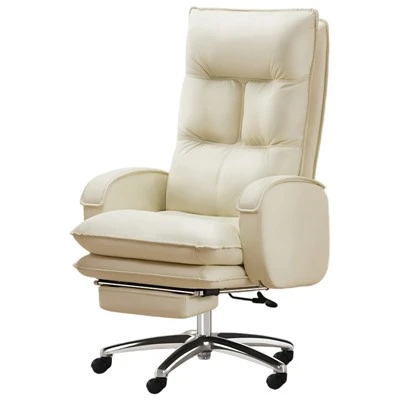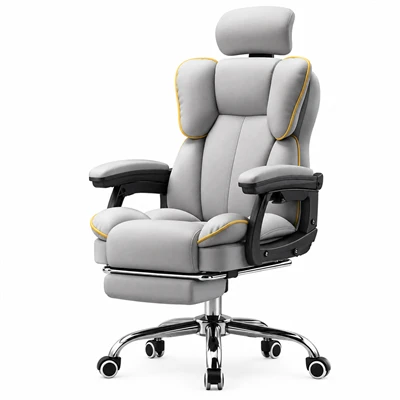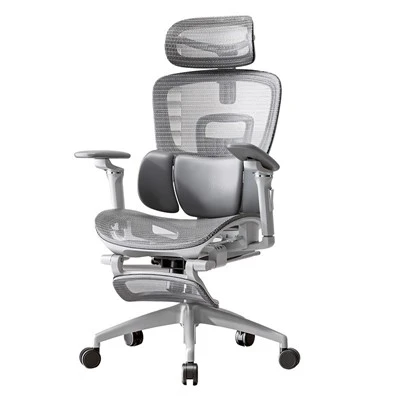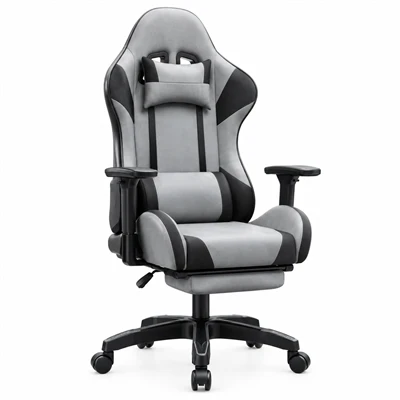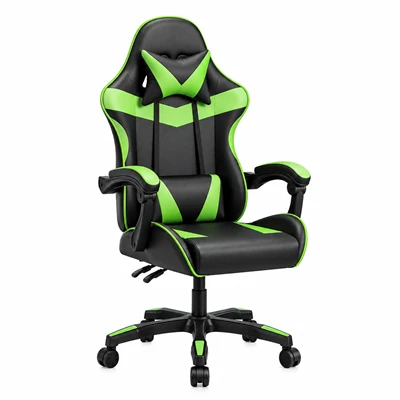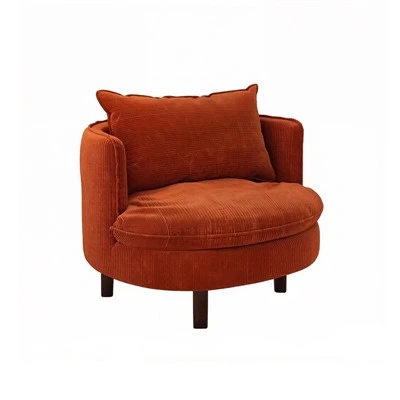

The technical specifications of office chairs primarily encompass overall dimensions and ergonomics-related data. Standard office chairs typically feature a seat height ranging from 420mm to 520mm, adjustable via a gas lift mechanism to accommodate users of varying heights and desks of different elevations. Seat width generally falls between 450mm and 520mm, while seat depth ranges from approximately 430mm to 500mm; specific dimensions vary based on the chair's type and design. Backrest height also varies by product; standard office chairs offer basic lumbar and back support, whereas high-back ergonomic chairs often extend support to the shoulders or even the head. Other common specifications include armrest height, backrest tilt angle, and the range of seat depth adjustment. Appropriate dimensions and adjustment ranges allow the chair to accommodate a wider variety of users, minimizing discomfort caused by improper seat height or posture during work.
Load-bearing capacity and structural strength are also critical technical specifications. Standard office chairs typically have a rated load capacity of 100kg to 150kg, though some reinforced models can support heavier loads. Actual load-bearing capacity depends not only on the seat and frame but also on the quality of the mechanism (chassis), gas lift, five-star base, and connecting components. The gas lift bears the primary load during height adjustments, so its specifications, materials, and safety performance directly impact the chair's stability. The five-star base must provide a sufficient footprint to prevent the chair from tipping over during use. Beyond static load capacity, structural integrity must account for fatigue resulting from prolonged, repeated use; consequently, products often undergo durability testing for the seat, backrest, casters, and adjustment mechanisms. Given the high frequency of use in commercial office environments, structural durability requirements are generally stricter than those for chairs intended for home use.
Materials and functional features also constitute part of the technical specifications. Common materials for seats and backrests include foam, mesh, leather, PU, and various composite fabrics; mesh offers excellent breathability, making it ideal for extended periods of sitting, while foam seats typically provide a softer, more cushioned feel. Common materials for chair frames and five-star bases include steel, aluminum alloy, and high-strength engineering plastics; the choice of material affects the product's weight, strength, and price. In terms of functionality, office chairs may offer features such as seat height adjustment, backrest recline, adjustable armrests, lumbar support, adjustable headrests, and seat depth adjustment, with high-end ergonomic chairs offering an even wider range of settings. When making a purchase, one should not focus solely on a single specification but rather consider factors such as height, weight, desk height, and daily usage duration. Only when dimensions, load-bearing capacity, materials, and adjustment features are well-matched can an office chair deliver a superior user experience while ensuring stability.