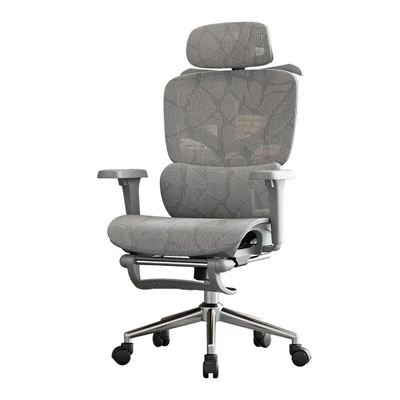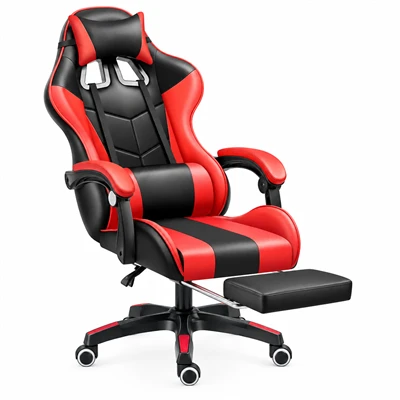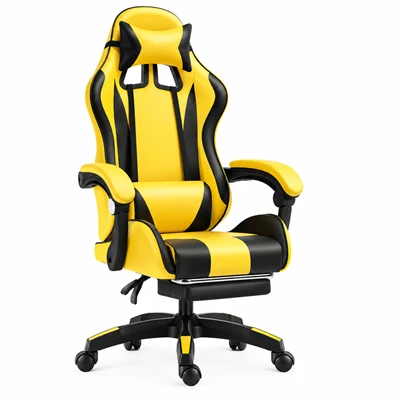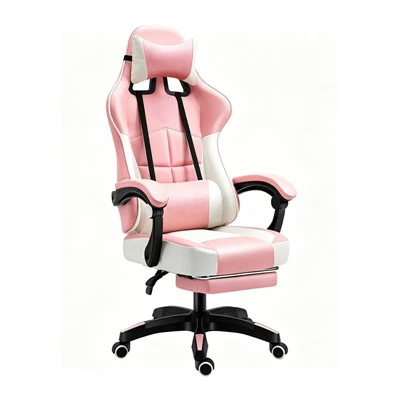

Proper maintenance of office chairs begins with routine cleaning. Areas such as the seat, backrest, armrests, and casters are prone to accumulating dust and stains; neglecting to clean them over time can detract from the chair's appearance and shorten the lifespan of the upholstery. For mesh office chairs, use a vacuum cleaner or a soft-bristled brush to remove dust regularly, and gently wipe away localized stains with a slightly damp, soft cloth. Leather and PU chairs should be cleaned with a soft, damp cloth; avoid using strong acids, strong alkalis, or highly corrosive cleaning agents. Fabric chairs require care tailored to the specific material; if liquids like beverages or coffee are spilled on the seat, wipe them up immediately to prevent stains from soaking into the interior. When cleaning, ensure that excessive moisture does not seep into the mechanism housing, gas lift cylinder, or other mechanical components, and keep the chair dry after cleaning.
In addition to surface cleaning, the chair's connecting components should be inspected regularly. Prolonged use can cause screws at the backrest, armrest, seat, and base connections to loosen; if the chair begins to wobble or makes unusual noises during use, promptly inspect and tighten the relevant parts. The casters at the base also require periodic cleaning, as hair, dust, and debris can tangle around the axles and impair smooth rolling over time. You can turn the chair over to clear debris from the casters and check the five-star base for cracks or deformation. Regarding the backrest recline mechanism and other moving parts, perform inspections and maintenance according to the manufacturer's instructions-provided the manual permits simple upkeep-but do not attempt to disassemble critical components like the mechanism housing or gas lift cylinder. The gas lift cylinder, in particular, is a load-bearing component; if you experience abnormal height adjustments, significant wobbling, or other malfunctions, discontinue use and contact a professional for repair.
How an office chair is used also directly impacts its lifespan. Maintain a proper sitting posture during use; do not stand on the seat, and avoid forcefully rocking the backrest or suddenly leaning backward with excessive force. When adjusting the seat height, use the control lever properly rather than forcibly pulling or striking the lift mechanism. Office chairs should ideally be placed on a level surface and kept away from environments characterized by high humidity, extreme heat, or direct sunlight; this helps minimize the risk of metal parts rusting and the deterioration of materials such as leather or PU. If a chair is not going to be used for an extended period, it should be cleaned and stored in a dry, well-ventilated area. Regular cleaning, inspections of screws and moving parts, prompt attention to any issues, and proper usage habits can reduce wear and malfunctions over time, ensuring the chair maintains its stability and comfort while extending its overall service life.