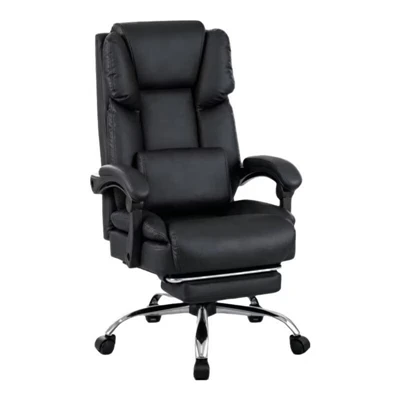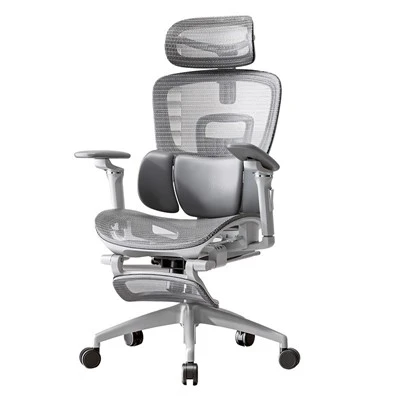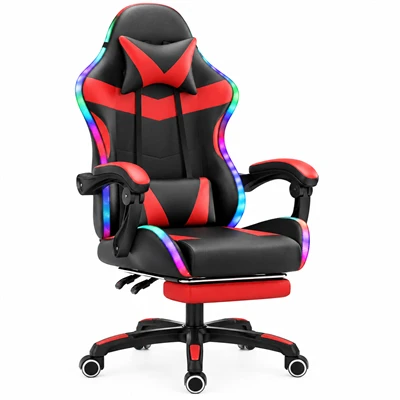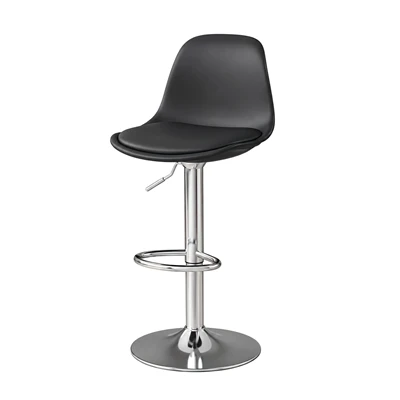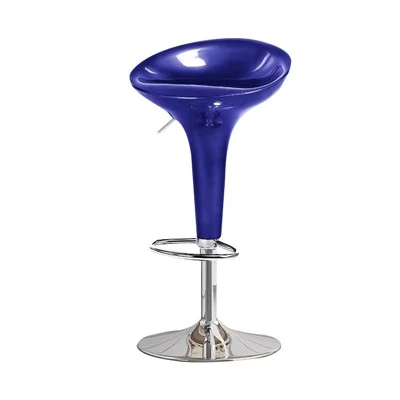

The fundamental characteristics of dining chairs are a focus on comfort and practicality. As furniture used for daily meals, dining chairs must allow users to maintain a relatively natural posture while accommodating individuals of various body types. Consequently, factors such as seat height, width, depth, and backrest angle all influence the actual seating experience. Seat heights are typically coordinated with the dining table so that users can rest their feet naturally on the floor and position their arms comfortably near the tabletop. Some chairs feature curved backrests designed to support the lower back, thereby reducing discomfort during extended meals. For home dining areas, chairs must not only serve their primary seating function but also be easy to move and clean; therefore, weight, structural design, and overall dimensions require careful consideration.
Another characteristic of dining chairs is the wide variety of styles and materials available, allowing them to complement diverse home décor themes. Common materials include solid wood, metal, plastic, leather, and fabric, each offering distinct visual aesthetics and tactile experiences. Solid wood chairs, known for their natural grain and warm texture, pair well with natural wood, Scandinavian, or minimalist dining room styles. Metal chairs, with their clean, streamlined structures, are frequently used in modern or industrial-style spaces. Plastic chairs are lightweight, come in a broad range of colors, and are relatively easy to clean. For users prioritizing comfort, chairs with upholstered seats or backrests are also popular choices. Through combinations of color, material, and shape, dining chairs not only meet functional needs but also integrate seamlessly into the dining room's overall design scheme.
Stability and durability are also crucial aspects of dining chair design. Since these chairs must support body weight daily and are frequently moved or dragged, the strength of the connection between the legs and the seat-as well as the soundness of the overall structure-directly impacts their lifespan. High-quality chairs often enhance stability by reinforcing leg connections and optimizing load-bearing structures, thereby minimizing issues like loosening or wobbling over time. Furthermore, surface finishes affect maintenance; given that dining areas are prone to grease, water stains, and food residue, ideal chair surfaces are stain-resistant and easy to wipe clean. For home users, a good dining chair requires more than just attractive styling; factors such as comfort, stability, ease of cleaning, and dimensional compatibility with the dining table must also be considered. Only when these aspects are well-balanced can the chair meet the needs of long-term use.